
The Fundamentals of Nutrient Density
Understanding nutrition starts with the quality of the fuel you choose. At Wellbeingcorepathcx, we focus on the foundational building blocks of a balanced diet, helping residents across the UK establish sustainable eating habits that support daily energy and long-term vitality.

Focus: Whole Food Sourcing
The Core Framework
Structural Proteins
Protein is often described as the body’s building material. It plays a role in maintaining muscle mass and supporting the integrity of various tissues.
- Lean poultry and fish
- Plant-based beans and pulses
- Quality dairy or soy alternatives
Carbohydrates & Fiber
Complex carbohydrates provide the glucose necessary for brain function and physical activity. By choosing wholegrains and fibrous vegetables, you ensure a steady release of energy rather than rapid spikes.
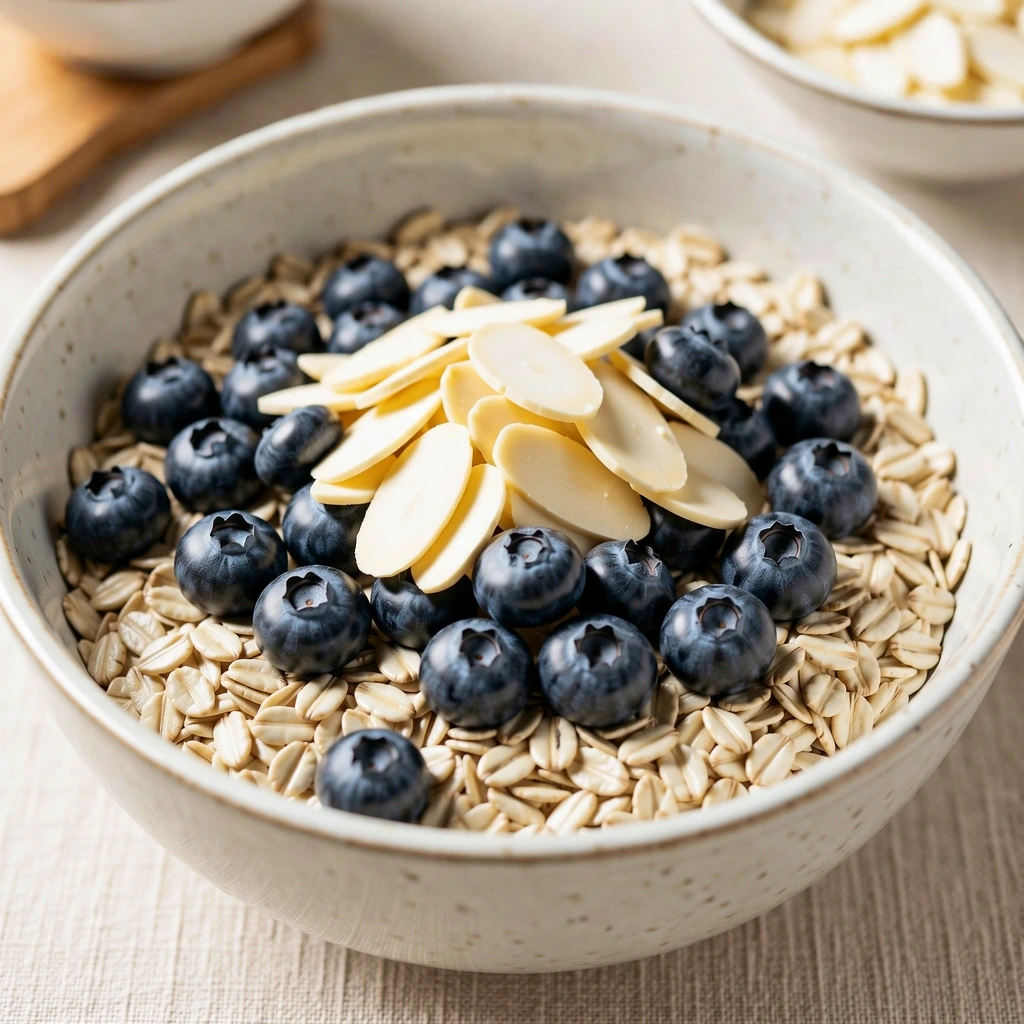
Fiber is a non-digestible carbohydrate that is essential for digestive efficiency and satiety. High-fiber foods like oats, quinoa, and varied seasonal vegetables are staples of a well-structured meal plan.
Essential Dietary Fats
Not all fats are equal. Unsaturated fats, found in avocados, nuts, and cold-pressed oils, are vital for nutrient absorption—specifically for vitamins A, D, E, and K. We recommend focusing on Omega-3 and Omega-6 balances through oily fish or flaxseeds.

The Micro Matrix
While macros provide the mass, micronutrients (vitamins and minerals) regulate the chemical processes. A "rainbow" approach to vegetables ensures a broad spectrum of these essential elements.
Recommended daily variety
Structuring the Plate
Sustainable health is rarely about restriction; it is about proportion. Using a visual guide for balanced eating helps manage energy levels throughout the day without the need for meticulous tracking or complex calculations.
The Vegetable Base
Aim to fill half your plate with non-starchy vegetables. This provides volume and fiber with low energy density.
The Protein Anchor
Dedicate a quarter of your plate to high-quality protein. This supports satiety and muscle maintenance.
Smart Carbs
The final quarter should consist of complex carbohydrates like brown rice, sweet potato, or legumes.
Healthy Fats
Finish with a thumb-sized portion of fats—oils, avocado, or nuts—to facilitate nutrient absorption.
Hydration Matters
Water is a critical, yet often overlooked, component of nutrition. It facilitates every metabolic reaction in the body. For residents in the UK, where climate varies, maintaining a consistent intake of around 1.5 to 2 liters of water daily is a solid foundation.
"Physical performance and cognitive focus are directly influenced by hydration levels. Thirst is often a late indicator of a need for fluids."

Sustainable Meal Concepts
Examples of how to apply these nutrient rules to common UK ingredients for balanced eating.

The Coastal Balance
Grilled fatty fish, roasted green stalks, and a serving of ancient grains provide a perfect ratio of fats, fiber, and protein.

Plant-Based Power
Lentils and chickpeas offer a dual-source of protein and slow-release carbohydrates, easy to prepare in batches.

The Energetic Bowl
Cold lean poultry combined with dense greens and seeds for a meal that supports activity without heavy digestion.
"The path to wellbeing is paved with consistent, small choices."
Nutritional literacy is the first step toward a more energetic and capable version of yourself. For more information on how to pair these habits with movement, visit our exercise section.
Editorial Accuracy
Last updated: April 2026
All content on Wellbeingcorepathcx is provided for educational purposes only. We encourage readers to consult with qualified nutrition professionals for personalised advice.